Archives
- 2026-06
- 2026-05
- 2026-04
- 2026-03
- 2026-02
- 2026-01
- 2025-12
- 2025-11
- 2025-10
- 2025-09
- 2025-03
- 2025-02
- 2025-01
- 2024-12
- 2024-11
- 2024-10
- 2024-09
- 2024-08
- 2024-07
- 2024-06
- 2024-05
- 2024-04
- 2024-03
- 2024-02
- 2024-01
- 2023-12
- 2023-11
- 2023-10
- 2023-09
- 2023-08
- 2023-06
- 2023-05
- 2023-04
- 2023-03
- 2023-02
- 2023-01
- 2022-12
- 2022-11
- 2022-10
- 2022-09
- 2022-08
- 2022-07
- 2022-06
- 2022-05
- 2022-04
- 2022-03
- 2022-02
- 2022-01
- 2021-12
- 2021-11
- 2021-10
- 2021-09
- 2021-08
- 2021-07
- 2021-06
- 2021-05
- 2021-04
- 2021-03
- 2021-02
- 2021-01
- 2020-12
- 2020-11
- 2020-10
- 2020-09
- 2020-08
- 2020-07
- 2020-06
- 2020-05
- 2020-04
- 2020-03
- 2020-02
- 2020-01
- 2019-12
- 2019-11
- 2019-10
- 2019-09
- 2019-08
- 2019-07
- 2019-06
- 2019-05
- 2019-04
- 2018-11
- 2018-10
- 2018-07
-
br Heme oxygenase inhibitors Historically the first class
2021-10-13
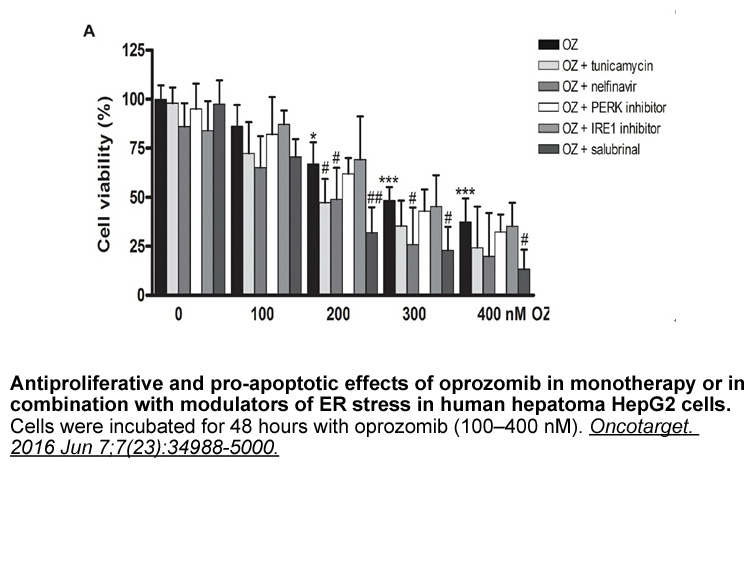
Heme oxygenase-1 inhibitors Historically, the first class of competitive HO-1 inhibitors was represented by MPs, heme analogs in which the central iron N6-Methyl-ATP of heme is exchanged by another element, such as zinc, cobalt, tin, or chromium. These molecules compete with heme for binding to
-
The dramatically reduced expression of
2021-10-13
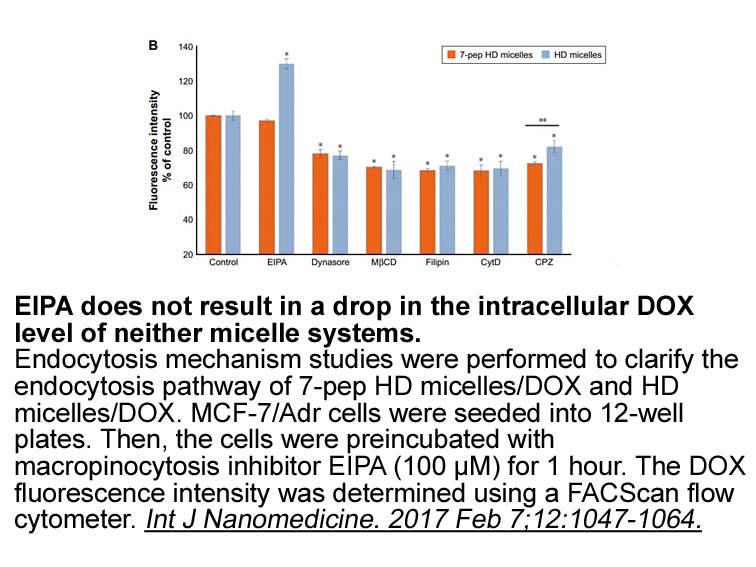
The dramatically reduced expression of CFTR in human colorectal cancer tissues identified herein is consistent with our previous findings using human breast cancer tissues, prostate cancer tissues, and colon cancer tissues, and suggests that the loss of CFTR is likely a general phenomenon in epithel
-
br Discussion By using ultra deep sequencing we
2021-10-13
Discussion By using ultra-deep sequencing, we conducted a thorough assessment of HCV-NS3 protease variants in chronic PI-naïve patients infected with HCV-1a and HCV-1b under telaprevir-based triple therapy at baseline and after 4weeks of treatment. Several synonymous and non-synonymous substituti
-
After brain injury adenosine levels rapidly increase
2021-10-13
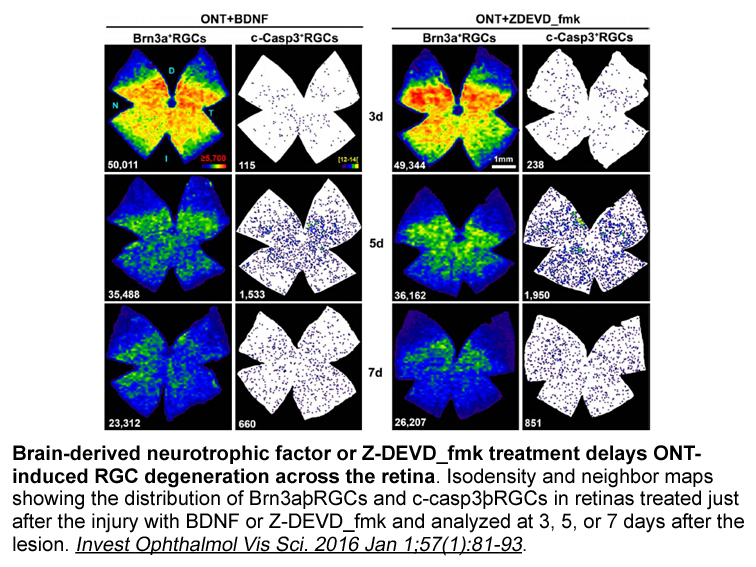
After brain injury, adenosine levels rapidly increase in the brain [9,10]. As shown in our previous studies, the increased adenosine concentration acts on adenosine A2A receptors (A2ARs), increasing post-traumatic glutamate levels in the brain and exacerbating the severity of injuries [11,12]. Accor
-
Transmembrane AMPA receptor regulatory proteins TARPs are
2021-10-13

Transmembrane AMPA receptor regulatory proteins (TARPs) are a relatively newly discovered protein family. Prototypic TARP, stargazin, was found by a spontaneous mutation in ataxic stargazer mouse line as a homologous protein to γ1 calcium channel subunit (Letts et al., 1998). The role of stargazin i
-
To help resolve the question
2021-10-13
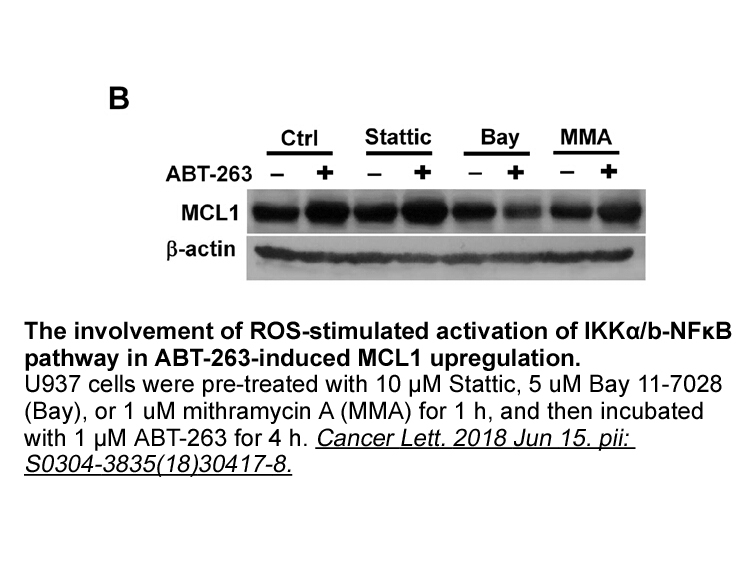
To help resolve the question of simple binding versus transport, we reasoned that if quercetin is transported by GLUT1, we should be able to block its uptake by other GLUT1 inhibitors. We initially investigated the effects of two newly identified GLUT1 inhibitors, BAY-876 and WZB-117. WZB-117 was f
-
br GLP R expression in the vascular endothelium Immunohistoc
2021-10-13
GLP-1R expression in the vascular endothelium Immunohistochemistry studies utilizing GLP-1R antibodies that have now been demonstrated to be non-specific [46], initially identified GLP-1R protein expression in both mouse mesenteric artery SMCs and heart coronary SMCs [7]. However, evidence for VS
-
br Results and Discussion br STAR Methods br
2021-10-13
Results and Discussion STAR★Methods Author Contributions Conflicts of Interest J.P.F. is a consultant for AstraZeneca, BMS, Johnson and Johnson, Novo Nordisk, and Sanofi, a member of the advisory panel for AstraZeneca and Sanofi, a member of the speaker’s bureau for Sanofi and Novo Nordi
-
br Methods br Results br Discussion In this study we
2021-10-13
Methods Results Discussion In this study, we investigated temperature effects on Vj-gating properties of two cardiac GJs. In the case of Cx45 GJs, increased temperature from 22 °C to 28 °C (or 32 °C) led to an accelerated Vj-dependent deactivation with little change in the extent of Vj-gati
-
In this study we describe
2021-10-13
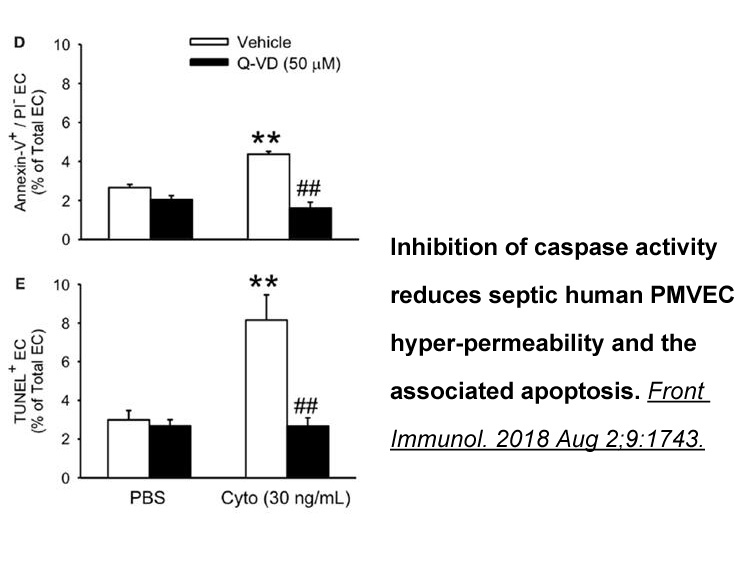
In this study, we describe the expression of galr2a and galr2b in zebrafish embryos using whole-mount in situ RNA hybridization. To further analyze the distribution of GALR2b and its interactions with galanin, we generated Tg(galr2b:egfp) zebrafish, which express EGFP under the control of a galr2b p
-
As mentioned earlier two different isoforms of TFE
2021-10-12
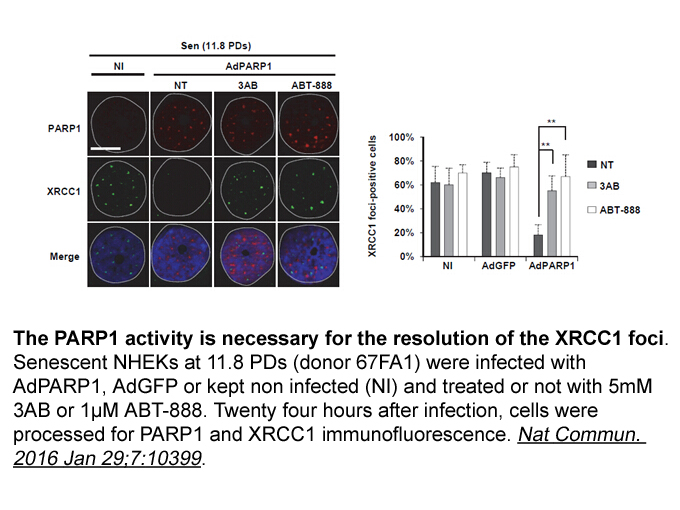
As mentioned earlier two different isoforms of TFE3 [16] have been reported viz. the full length (TFE3L) and smaller (TFE3S) without exon 1&2. TFE3S lacks an N-terminal acidic activation domain which is present in TFE3L hence is a dominant negative form of TFE3L [51]. This dominant negative feature
-
benzydamine receptor In a recent study Neelaveni et
2021-10-12
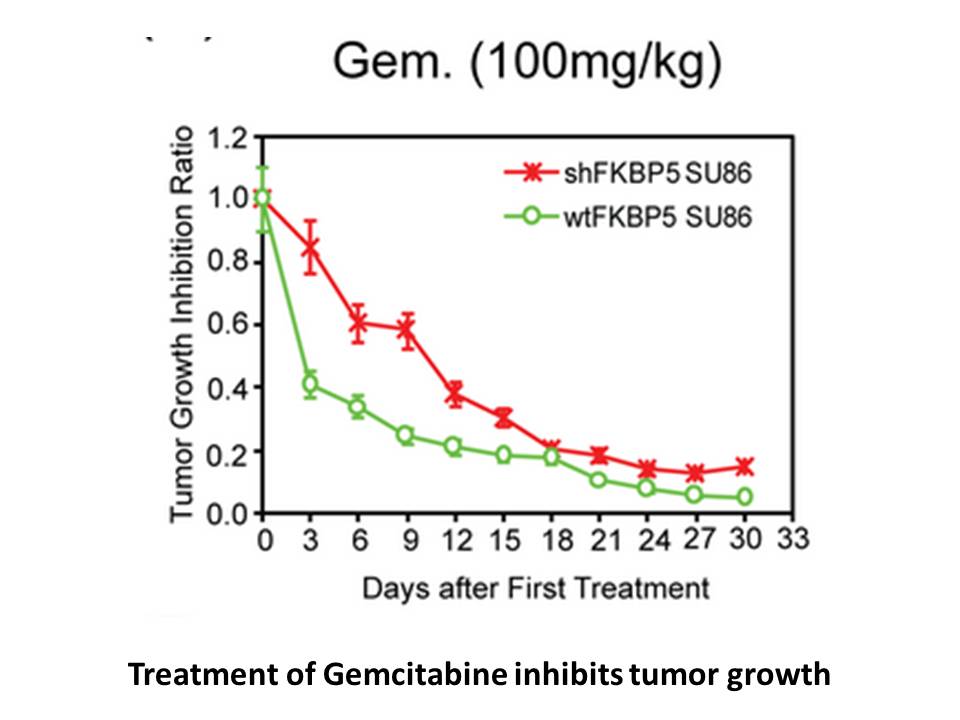
In a recent study, Neelaveni et al. [47] revealed that new thiazolidinedione derivatives (Fig. 6 a and 6 b) produced dual PPARγ and FFAR1 agonistic activity at micromolar concentrations with insulin sensitizing effects and enhanced insulin secretion from the pancreas. These derivatives were reported
-
Erythropoiesis involves the proliferation and differentiatio
2021-10-12
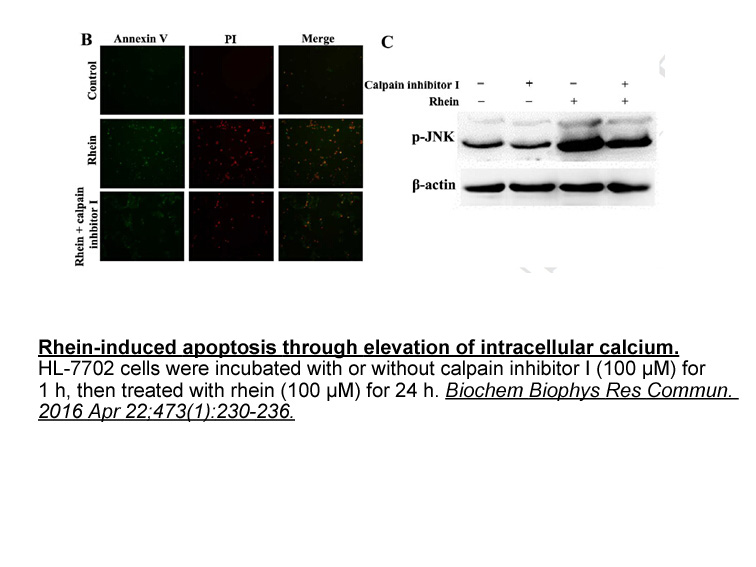
Erythropoiesis involves the proliferation and differentiation of hematopoietic stem CCG-1423 mg to mature RBCs. This process is a tightly-regulated to adjust rates of RBC production based on physiologic need. Fas-mediated apoptosis is one mechanism that controls erythropoiesis. The role of Fas-signa
-
Cefpodoxime Proxetil Over decades a deeper understanding of
2021-10-12
Over decades, a deeper understanding of terpene synthases has also permitted enzyme engineering for unnatural substrate acceptance. Novel terpenoids have been successfully synthesized from substrate analogues as by-products from mechanistic investigation (Faraldos et al., 2012; Miller, Yu, & Alleman
-
br Results and discussion CATALYST
2021-10-12
Results and discussion CATALYST software allows automatic pharmacophore construction by using a collection of molecules with activities ranging over a number of orders of magnitude. In addition, CATALYST pharmacophores (hypotheses) explain the variability of bioactivity with respect to the geomet
16017 records 569/1068 page Previous Next First page 上5页 566567568569570 下5页 Last page